HTI-5 and Information Blocking: Your Bots Are Covered, and Your Excuses Are Getting Smaller

HTI-5 and Information Blocking: Your Bots Are Covered, and Your Excuses Are Getting Smaller

HTI-5 is calling out two things the market already knows: EHI is increasingly accessed through automation and AI, and “infeasible” has been doing suspiciously heavy lifting in some corners of the ecosystem. If you are an HIE/HIN, a developer of certified health IT, or a provider, these proposed information blocking changes tighten the exception playbook, put contract gating on notice, and make it harder to hide a “no” behind nicer paperwork.

read more
ONC Quietly Dropped Four (4) New Information Blocking FAQs

ONC Quietly Dropped Four (4) New Information Blocking FAQs

ONC just dropped four new Information Blocking FAQs on December 19, 2025, and they go straight to the real pressure points: revenue-sharing dressed up as fees, “alternative manner” gamesmanship, and whether automation counts as access. These clarifications matter most where policy meets operations. If you build, sell, operate, or rely on interoperability, this is the set to read.

read more
From Dragging Feet to Dragged Along: The Uneven March Into TEFCA

From Dragging Feet to Dragged Along: The Uneven March Into TEFCA

On August 6, 2025, ONC unveiled the first public TEFCA Organizational Map, a tool that makes it possible to see which health systems are stepping into the national interoperability framework—and which are not. For some, this marks a milestone in transparency and progress; for others, it raises questions about strategy, governance, and whether more national data sharing is always a good thing. The uneven pace of adoption, particularly among Epic’s vast customer base, shows just how complicated the march into TEFCA has become.

read more
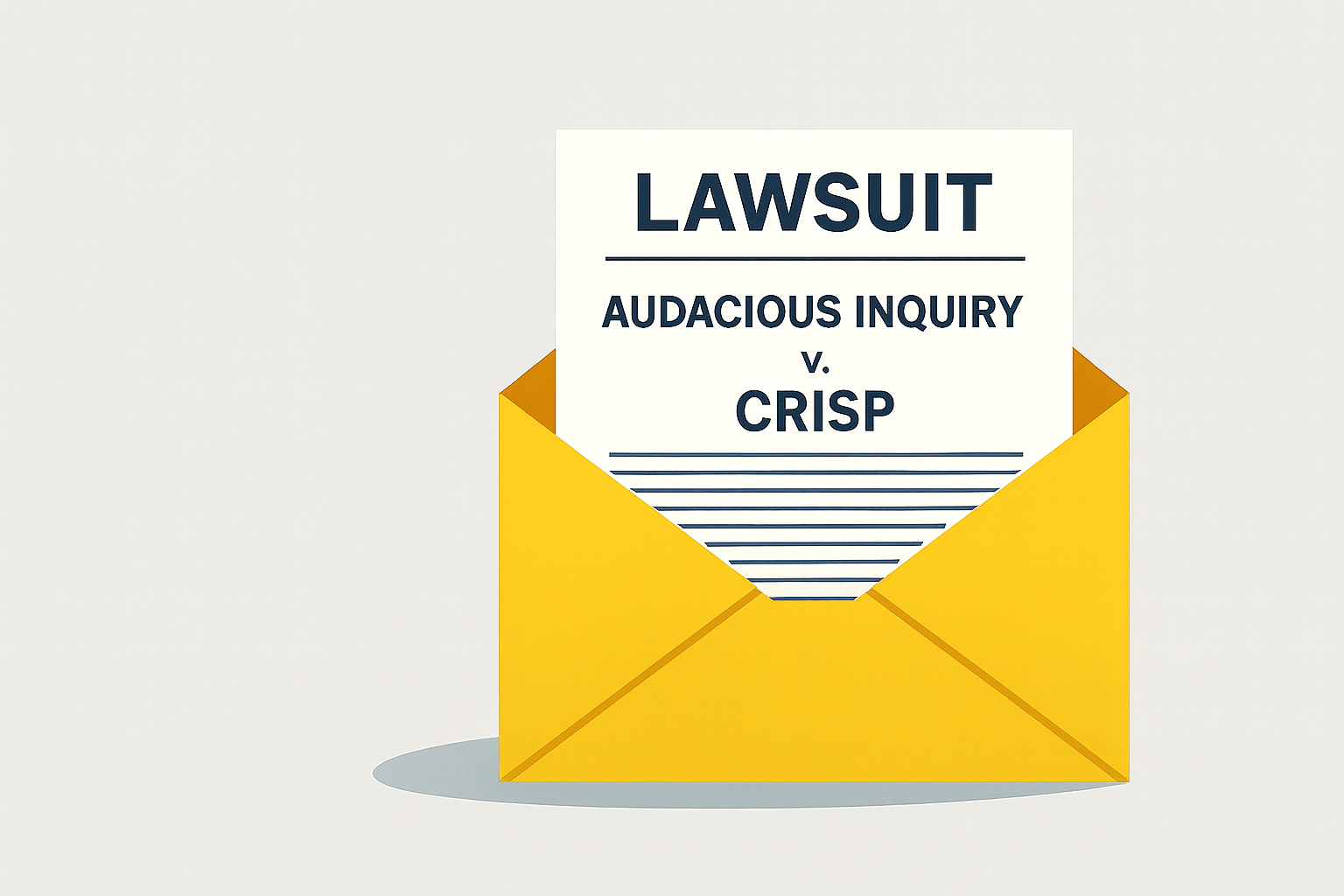
Audacious Inquiry Sues CRISP: A Patent Showdown with National Interoperability Implications

Audacious Inquiry Sues CRISP: A Patent Showdown with National Interoperability Implications

Audacious Inquiry has filed a patent infringement suit against CRISP, Maryland’s state-designated HIE. At issue are core encounter notification and care coordination tools that providers nationwide rely on daily. With high-stakes infrastructure and TEFCA participation on the line, the outcome could reshape how HIEs balance public good with private innovation.

read more
Does the TEFCA Exception Hinder Participation?

Does the TEFCA Exception Hinder Participation?

HHS has opened the door to one of the biggest questions in health information law: should the TEFCA exception to the information blocking rules stay or go? The May 16, 2025 RFI asks whether this carve-out encourages participation in TEFCA or instead creates confusion and double standards for networks like Carequality, which already impose requirements stricter than HIPAA. With comments due June 16, stakeholders have just days to weigh in on a decision that could reshape the balance between nationwide interoperability and local control.

read more
Do Recent Changes to the Carequality Framework Policies Implicate Information Blocking For Some?

Do Recent Changes to the Carequality Framework Policies Implicate Information Blocking For Some?

Carequality’s new Version 3 Framework Policies add stricter requirements than HIPAA and could expose participants to Information Blocking risks. At the same time, TEFCA alignment creates a paradox: practices permitted under the new TEFCA Exception may still be questioned outside of TEFCA. This article unpacks the double standard—and what it means for HINs, HIEs, and nationwide interoperability.

read more
Preventing IAS from Becoming a Trojan Horse

Preventing IAS from Becoming a Trojan Horse

Last week, I attended HIMSS 2025 in Las Vegas and came away with four big themes that stood out for me: the industry’s growing focus on Individual Access Services (IAS) and rock-solid identity verification, the push to expand non-treatment use cases for interoperability (like payment and healthcare operations), the urgent need for modernized consent management, and the overarching importance of trust to tie it all together. Yet of all these, for me, IAS is the real showstopper: if we don’t get identity and access right, the rest of our digital transformations—from AI-driven insights to cross-network data sharing—could quickly unravel. In today’s post, I want to zero in on IAS—where it fits into HIPAA’s right of access, where personal representatives enter the picture, and why it risks becoming a Trojan Horse for unauthorized data if we don’t take the proper safeguards.

read more

Archives